


How Modern Brands Speak to Millions Without Sounding Generic

Most marketing today is not ignored because it is poorly written. It is ignored because it feels irrelevant.
Inbox fatigue, notification overload, and endless promotional noise have trained customers to filter aggressively. Messages that do not feel timely, contextual, or personal simply disappear into the background.
This is why personalization has shifted from a “nice-to-have” tactic into a core growth requirement. But personalization today is no longer about inserting a first name into a subject line.
Modern customers expect brands to understand what they are doing, what they care about, and where they are in their journey.
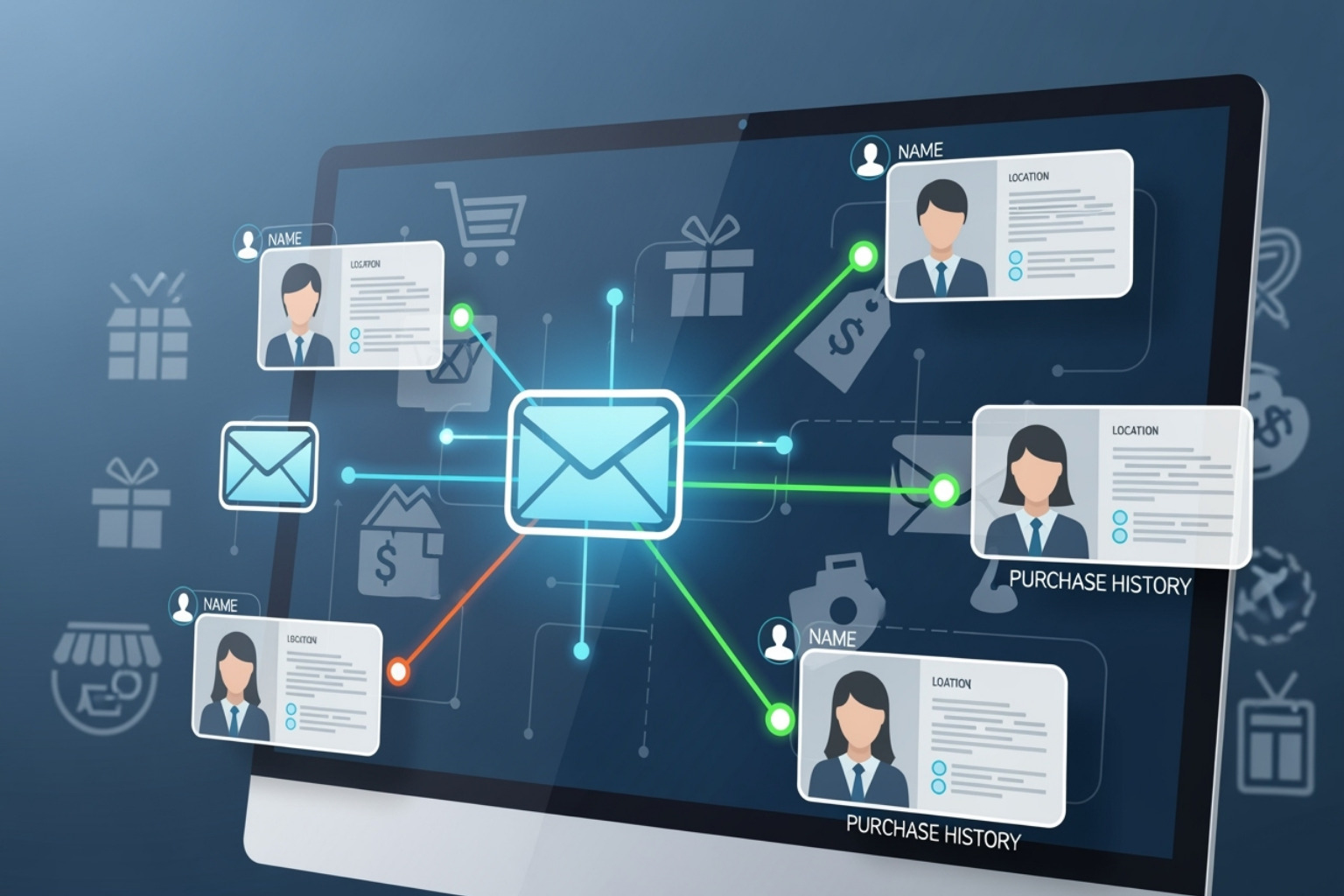
At scale, delivering that experience manually is impossible. This is where data-driven platforms like Klaviyo are redefining how brands communicate with millions of customers without sounding generic.
Why Generic Marketing Has Become Invisible
Generic marketing fails quietly.
Open rates decline. Clicks flatten. Revenue per send erodes.
The problem is not channel saturation. The problem is relevance.
Customers now compare brand communication to the best digital experiences they encounter daily. Streaming platforms recommend content instantly. Marketplaces surface products based on behavior. Social feeds adapt in real time.
Against that backdrop, batch-and-blast campaigns feel outdated.
When every subscriber receives the same message regardless of intent, timing, or context, engagement drops—not because customers dislike the brand, but because the brand fails to feel aware.
The Limits of Manual Segmentation
Traditional segmentation relies on static rules.
Location, gender, purchase count, or lifetime spend.
While useful, these attributes represent snapshots, not motion.
Manual segmentation struggles at scale for three reasons.
First, it freezes customers into categories that quickly become inaccurate.
Second, it requires constant maintenance as behaviors change.
Third, it cannot respond in real time.
A customer browsing today, abandoning tomorrow, and purchasing next week does not fit neatly into a fixed segment. Their intent evolves faster than static lists can update.
This is why rule-based personalization often breaks as brands grow.
Behavior-Based Personalization Explained
Behavior-based personalization shifts the focus from who customers are to what they do.
Every interaction becomes a signal.
- Viewing a product
- Returning to a category
- Opening or ignoring messages
- Time between purchases
These actions provide intent far more accurately than demographics.
Behavior-based systems continuously update customer profiles, allowing messaging to adapt automatically.
Instead of asking, “Which segment is this customer in?” the question becomes, “What is the customer trying to do right now?”
This is the foundation of scalable personalization.
Why Manual Personalization Cannot Scale
Personalization done manually scales people, not outcomes.
Each new campaign requires more rules, more segments, more reviews.
As complexity grows, execution slows.
Eventually, teams face a choice:
- Simplify and lose relevance
- Complicate and lose speed
Neither option works at scale.
True personalization requires systems that adapt faster than humans can manage alone.
Email and SMS Powered by Real-Time Signals
Email and SMS remain two of the highest ROI channels in ecommerce.
Their effectiveness depends on timing and context.
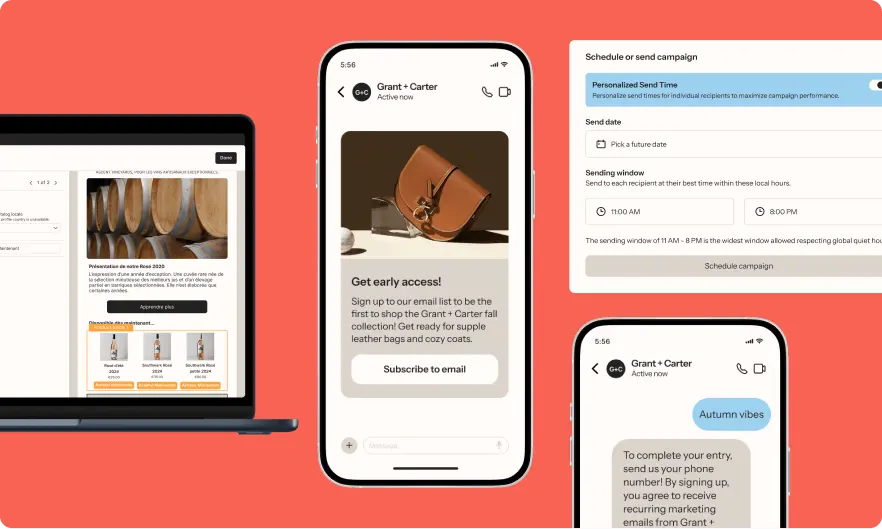
Real-time signals allow brands to trigger messages when intent is highest.
Examples include:
- Browsing without purchasing
- Returning after inactivity
- Reaching a replenishment window
- Engaging with specific content
Instead of broadcasting offers, brands respond to behavior.
Platforms like Klaviyo unify email and SMS around these signals, ensuring consistent messaging across channels.
Lifecycle Messaging Over Campaign Thinking
Personalization scales best when designed as a lifecycle system.
Lifecycle messaging maps communication to customer stages rather than calendar dates.
Key stages include:
- First-time visitor
- New customer
- Repeat buyer
- At-risk customer
- Loyal advocate
Each stage requires different tone, content, and frequency.
Lifecycle flows adapt automatically as customers move between stages.
This removes the need for constant manual intervention while increasing relevance.
AI as the Backbone of Scalable Personalization
AI does not replace strategy.
It replaces guesswork.
AI-powered systems analyze patterns across millions of interactions to predict behavior.
They identify:
- When customers are likely to purchase
- Which products resonate most
- Who is at risk of disengaging
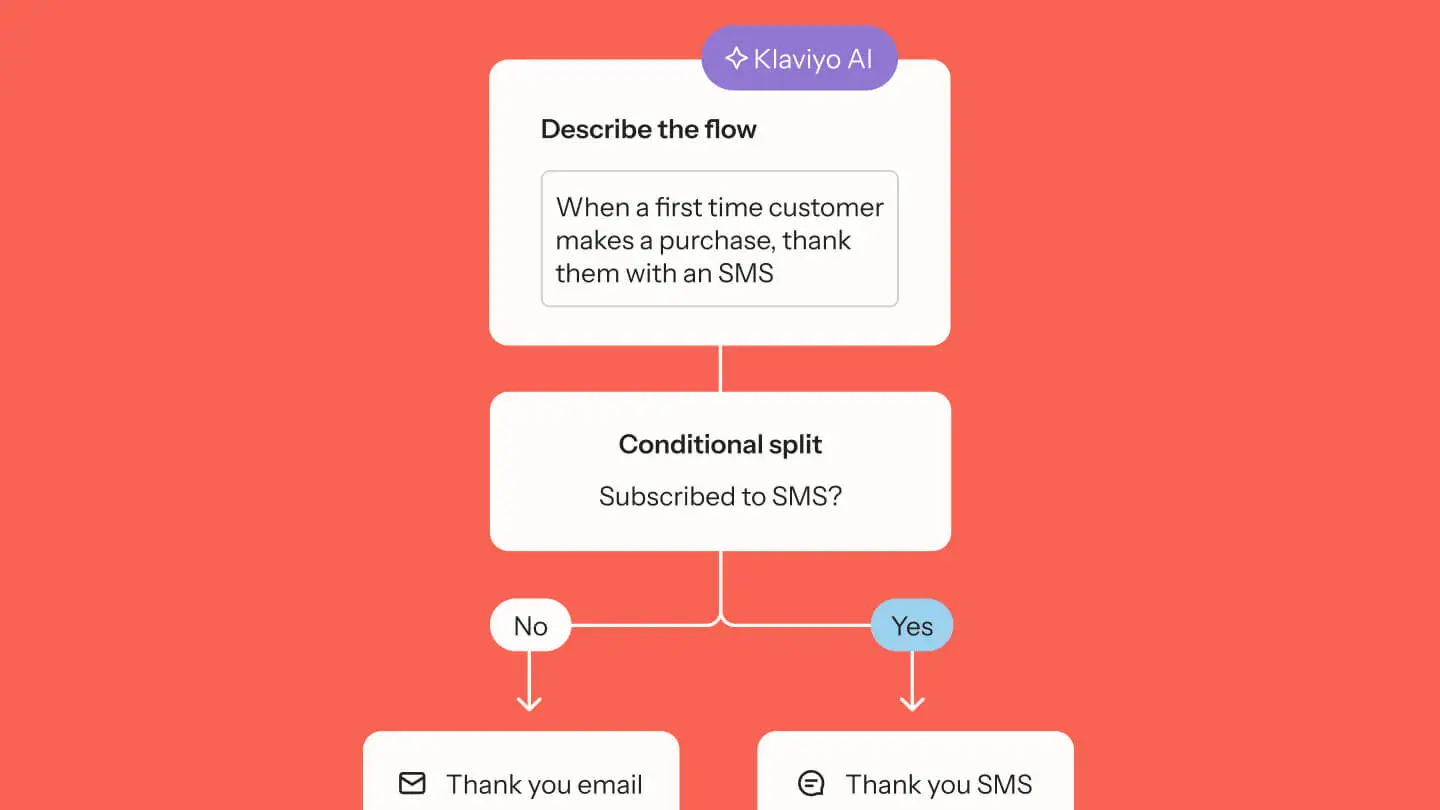
By embedding AI into segmentation and flow logic, platforms like Klaviyo allow brands to personalize at a depth that manual rules cannot achieve.
This is how brands speak to millions individually without writing millions of messages.
Scaling Personalization Without Adding Headcount
The fear many teams have is that personalization increases workload.
In practice, the opposite is true when systems are designed correctly.
Once lifecycle flows and behavioral triggers are in place, personalization becomes self-sustaining.
Teams shift from constant execution to iterative optimization.
Instead of building new campaigns every week, they improve:
- Flow logic
- Message sequencing
- Creative clarity
This allows growth without proportional increases in team size.
Why Customers Reward Relevance
Customers do not expect perfection. They expect awareness. Brands that respect context build trust. Trust leads to engagement. Engagement leads to revenue. Personalization done well does not feel like marketing. It feels like alignment.
Final Thoughts: Personalization Is a System, Not a Tactic
Personalization at scale is no longer about clever copy.
It is about infrastructure.
Brands that invest in unified data, real-time signals, and lifecycle automation create communication that feels human even at massive scale.
Tools like Klaviyo make this possible by connecting behavior, data, and messaging into a single system.
In a world where attention is scarce, relevance is the only sustainable advantage.


