


Communicating with Empathy During Uncertain Times with Klaviyo

Uncertainty reshapes attention. People skim faster, react more emotionally, and tune out anything that feels pushy or out of touch.
In those moments, the goal is not to “send more.” It is to send better. With Klaviyo, ecommerce teams can connect customer behavior to email and SMS, so communication feels considerate, timely, and useful.
Why empathy becomes a competitive advantage
When customers feel unsettled, they become highly sensitive to tone.
A message that once sounded “energetic” can suddenly feel like pressure.
Brands that communicate with clarity and restraint often stand out more than brands that chase attention.
Empathetic marketing typically looks like this:
- Relevance over volume, so fewer messages create more impact.
- Clarity over hype, so customers know what to expect.
- Support over urgency, so the brand feels steady.
- Consistency over performance, so the voice stays authentic.
When empathy is tied to behavior signals, it becomes repeatable instead of reactive.
With Klaviyo, teams can base messaging on what customers do, not what a calendar suggests.
Picking channels that match the moment
Each channel carries its own emotional weight.
Email is usually best for context, explanations, and calm reassurance.
SMS is more intimate, so it needs stronger justification and tighter value.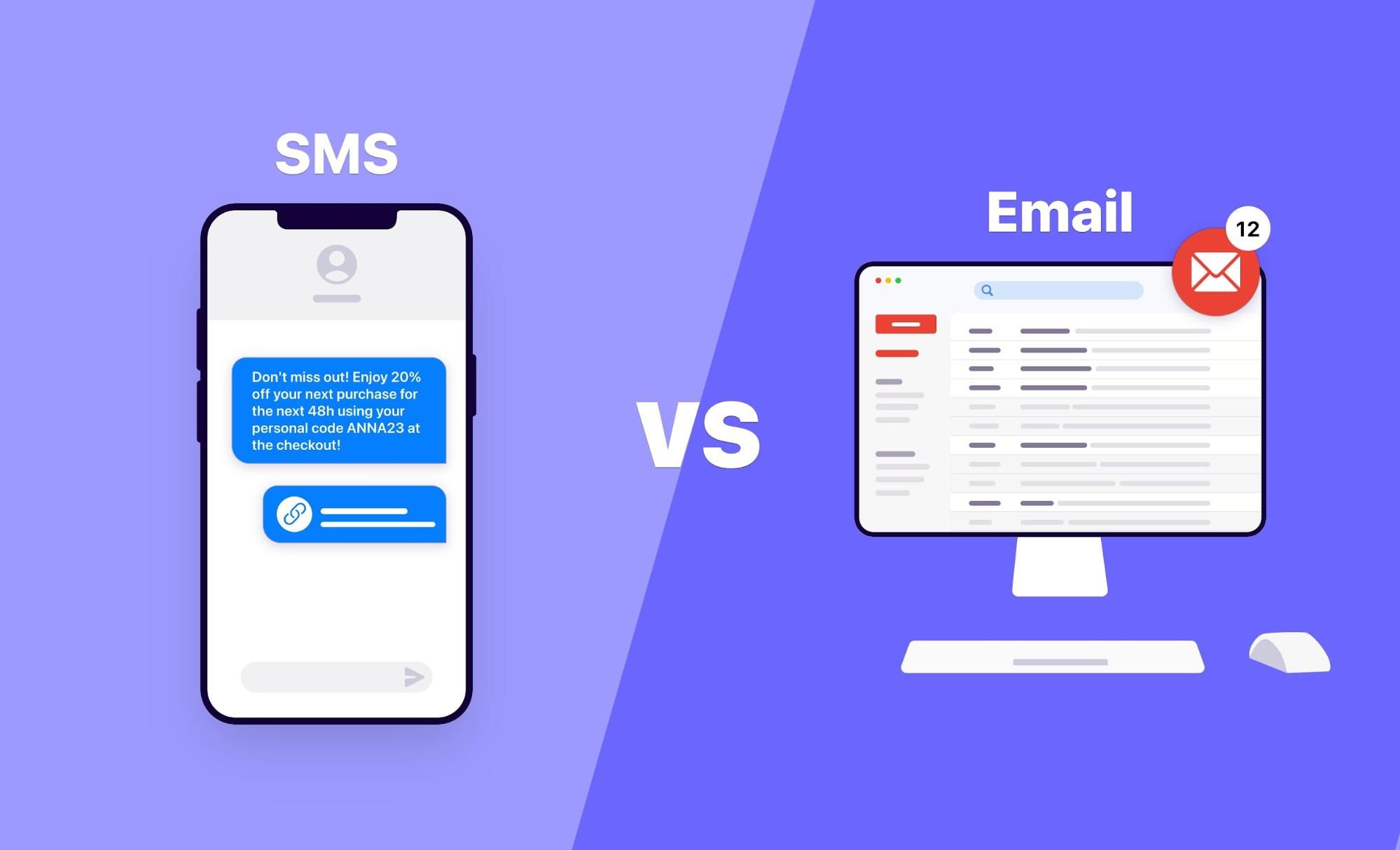
Social is public, which can turn a message into a “statement” whether you intend it or not.
Empathetic brands adapt content by channel instead of duplicating the same message everywhere.
A unified customer view inside Klaviyo makes that coordination easier.
What “keep customers informed” should include
Transparency matters most when it answers real questions.
During uncertain periods, customers usually care about a short list:
- Where is my order and when will it arrive?
- What policies changed and why?
- How do I reach support quickly?
- What should I do if something goes wrong?
Over-communicating happens when brands confuse presence with usefulness.
Segmentation prevents that by sending updates only to people who need them.
- Recent buyers: fulfillment clarity and support paths.
- Open tickets: reassurance plus timelines.
- Inactive subscribers: fewer operational messages.
- Loyal customers: steadier, relationship-based notes.
Behavior-based audiences in Klaviyo help teams avoid inbox fatigue while keeping trust intact.
Segmentation as a respect system
Segmentation is usually framed as conversion optimization.
In uncertain times, it becomes a way to protect attention.
When you send one message to everyone, customers do the filtering work themselves.
Behavior-led segments remove that burden.
- New purchasers: reassurance and next-step clarity.
- High-intent browsers: calm guidance and education.
- Repeat buyers: stability and trust-building.
- Low engagement: reduced frequency and softer asks.
Dynamic segmentation updates as behavior changes, which keeps communication from becoming noise.
Preparing for tactical changes
Empathy is not only copy. It is also delivery.
Once segmentation is solid, the next step is auditing automated messaging to match the moment.
Adjusting automated flows without starting over
Automation keeps revenue steady, but it can misfire when the world shifts.
Small edits usually outperform “pause everything” decisions.
- Swap scarcity language for calm clarity.
- Increase spacing between sends.
- Add support links and clear next actions.
- Highlight flexibility in shipping or returns.
Teams often use Klaviyo to implement these changes faster across email and SMS.
Keeping revenue goals without sounding tone-deaf
Customers understand brands must operate.
Problems start when marketing feels like it is leveraging anxiety.
Messaging tends to perform better when it emphasizes:
- Usefulness and fit, not pressure.
- Reliability and service, not hype.
- Clear policies, not vague promises.
- Genuine community values, not performative statements.
This approach builds trust that outlasts any one campaign.
Using content as support, not distraction
Not every email needs a product pitch.
Guides, updates, and answers often feel more valuable during sensitive periods.
With Klaviyo, helpful content can reach only the audiences who actually need it.
Listening: the habit that keeps empathy real
Empathy requires feedback loops.
What felt reassuring last month can feel repetitive next month.
Engagement trends signal when customers want less frequency and more relevance.
Behavior-led platforms help teams adapt quickly, and Klaviyo makes those adjustments easier to operationalize.
Staying aligned with brand values
Empathy lands when it sounds like your brand, not a corporate template.
Consistency across tone, policy, and support often matters more than perfect wording.
Many ecommerce teams use Klaviyo to keep that alignment steady across channels.
FAQ
What makes marketing “empathetic” in practice?
It prioritizes relevance, clarity, and respect. It reduces noise and focuses on what customers genuinely need.
How do I reduce message fatigue during uncertainty?
Use behavior-based segments and suppress audiences who do not need operational updates.
Can brands keep selling without sounding insensitive?
Yes. Focus on usefulness, reliability, and transparent policies instead of urgency-driven hooks.
How does Klaviyo help with empathetic messaging?
It connects customer behavior to email and SMS workflows so messages stay timely and appropriate.
Should I turn off automations completely?
Usually not. Adjusting tone, timing, and audience targeting is often more effective than stopping communication.


