


Stories Of Bible Review For Clear Bible Study

Reading the Bible can feel meaningful and confusing at the same time. Many readers want to understand Scripture better, but they get lost in timelines, book order, repeated themes, prophecies, names, and historical context.
That is the problem Stories Of Bible is trying to solve. Its main promise is not to replace the Bible, but to make Bible stories and teachings easier to follow through visual summaries, timelines, outlines, and structured study resources.
For readers who want a simpler study aid, Stories Of Bible can be useful if you learn better with visual structure instead of long notes scattered across different books and tabs.
This Stories Of Bible review explains who it is best for, what to check before ordering, and how to decide whether Bible: Made Simple fits your study style.
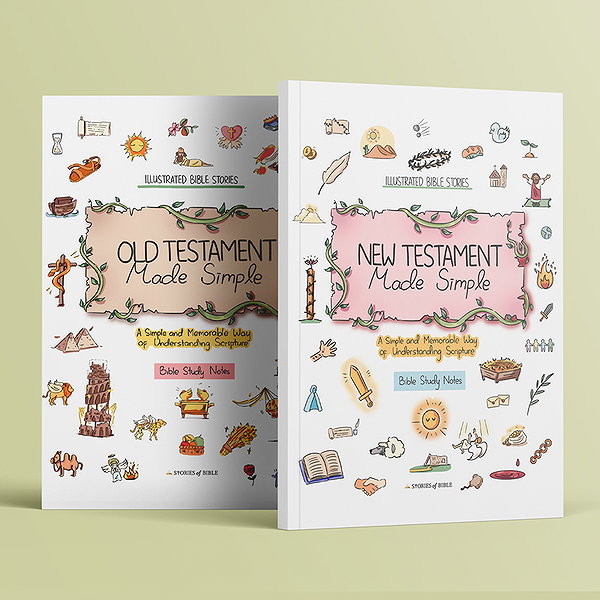
Stories Of Bible Review at a Glance
Stories Of Bible is best understood as a visual Bible study resource brand. Its site says it was created to make the stories and teachings of the Bible more accessible through timeline visuals and easy-to-read summaries of the Old and New Testaments (Source: Stories Of Bible).
| Buyer question | What to know | Why it matters |
|---|---|---|
| What is the main product? | Bible: Made Simple, with Old Testament, New Testament, and bundle options shown on the product page. | It helps readers study the Bible through a structured visual format. |
| Who is it for? | New Bible readers, lifelong believers, study group members, teachers, and visual learners. | The format is designed for clarity, not dense academic reading. |
| What does it include? | Timelines, key verse highlights, major themes, maps, character profiles, and book-by-book breakdowns (Source: Stories Of Bible). | These features help readers follow the bigger storyline. |
| Is it digital or printed? | The Bible: Made Simple product page says the Old and New Testament resources are currently offered as printed, high-quality resources (Source: Stories Of Bible). | Readers who prefer physical study tools may like it more than digital-only notes. |
| What should buyers check? | Shipping, current price, region, return rules, and whether the format matches their study style. | This prevents buying a resource that does not fit the reader’s habits. |
It focuses on structure, not more noise
The strongest use case for Bible: Made Simple is structure. The product page explains that the bundle uses timelines, key verse highlights, major themes, and structured book-by-book breakdowns to make the Bible easier to absorb without confusion (Source: Stories Of Bible).
That makes it different from a long commentary or a loose devotional. It is more like a guided visual map for readers who want to understand where each book, event, and theme fits.
It can help readers who feel lost
Stories Of Bible describes the Bible as a collection of 66 books written across thousands of years, with prophecies, parables, and historical events that do not always follow a simple linear timeline (Source: Stories Of Bible).
That pain point is real for many readers. They may have the desire to study, but not the framework to connect what they read.
It is best for people who like visual learning
Readers who prefer charts, summaries, maps, outlines, and quick reference pages may get more value from Stories Of Bible than readers who only want long-form commentary.
Before buying, think about how you naturally study. If you often draw timelines, write summaries, or search for context while reading, a visual guide may fit your habit well.
Why Bible Study Feels Hard for Many Readers
Bible study does not usually become hard because readers lack sincerity. It often becomes hard because they do not have a simple way to connect books, events, people, themes, and time periods.
The Bible is not always read in timeline order
Many readers expect the Bible to unfold like a modern book from page one to the end. But the structure can be more complex, especially when history, prophecy, poetry, letters, and Gospel accounts appear in different forms.
That is why visual timelines can help. They allow readers to step back and see the larger movement of the story before returning to the text.
Readers may miss repeated themes
The Bible often develops themes across many books. Covenant, exile, promise, wisdom, worship, kingdom, redemption, and faithfulness can appear again and again.
Without a guide, readers may notice isolated moments but miss the larger pattern. A structured study aid can help them connect repeated ideas more easily.
Too many resources can create more confusion
More information is not always better. A reader may open multiple commentaries, watch videos, save devotionals, and still feel scattered.
The value of a guide like Bible: Made Simple is that it brings key context into one visual format. For readers who want to explore Bible: Made Simple, the main benefit is having a clearer path instead of another pile of disconnected notes.
What Bible: Made Simple Is Designed to Do
Bible: Made Simple is positioned as a resource for readers who want Scripture to feel clearer, more organized, and easier to follow. It should be viewed as a companion to Bible reading, not a replacement for Scripture itself.
Help readers see the big picture
The product page says Bible: Made Simple helps readers see how stories connect, recognize key events, and follow the Bible’s journey with more clarity (Source: Stories Of Bible).
This matters because many readers understand individual passages better when they can see where the passage fits in the full story.
Give quick access to key verses and themes
Stories Of Bible says each book is broken down with highlighted key verses, main themes, and structured outlines so readers can find what they need faster (Source: Stories Of Bible).
This can be useful for personal study, group discussion, teaching preparation, or revisiting a book after a long break.
Make study more consistent
A clear structure can reduce friction. When readers know where to start and what to look for, they may be more likely to continue.
That does not mean the resource will do the spiritual work for the reader. It simply helps remove some of the confusion that can make Bible study feel hard to begin.
Partnered with Stories Of Bible: This guide includes Stories Of Bible links for readers who want to compare visual Bible study resources, check current product details, and decide whether Bible: Made Simple fits their study routine.
Who Stories Of Bible Is Best For
Stories Of Bible is not for every type of reader. It is strongest for people who want a clear overview, visual support, and a more organized way to understand the Bible’s structure.
New Bible readers who need orientation
New readers may feel overwhelmed by the number of books, names, places, and time periods. A visual guide can help them build orientation before going deeper.
For this group, the value is confidence. A simple map of the story can make Bible reading feel less intimidating.
Busy believers who want a quick reference
Some readers already love the Bible but struggle to remember where events fit. They may want something they can open quickly before a study session, sermon, group meeting, or family discussion.
Because Bible: Made Simple is presented as a printed resource, it may be useful for readers who prefer a physical guide beside their Bible rather than another app or browser tab (Source: Stories Of Bible).
Teachers, parents, and study group leaders
Visual outlines can help when explaining Scripture to others. A teacher or parent may not need a full lecture-style resource every time. Sometimes they need a simple way to show structure.
Readers who want to compare Stories Of Bible resources should think about how they will use the guide: personal reading, group study, teaching prep, or family devotion time.
What to Check before Ordering
Before ordering Stories Of Bible, check the practical details. A Bible study guide can be a meaningful purchase, but it still needs to fit your budget, location, reading style, and return expectations.
Check the current product and price
Stories Of Bible terms say prices are displayed in the currency applicable to the reader’s region and may include or exclude taxes as shown at checkout (Source: Stories Of Bible Terms).
This means readers in AU, CA, UK, US, or other supported locations should check the current checkout page rather than relying on an old price seen in a review.
Check shipping and import details
Stories Of Bible shipping policy says available shipping methods can vary by destination, package size, and package weight, and that available options are shown during checkout (Source: Stories Of Bible Shipping Policy).
The same policy says international shipments may be subject to customs duties, taxes, and import fees imposed by the destination country, and those additional charges are the recipient’s responsibility (Source: Stories Of Bible Shipping Policy).
Check return and refund rules
Stories Of Bible refund policy says it offers a 30-day money-back guarantee on purchases, subject to conditions such as unused, undamaged items in original packaging and proof of purchase (Source: Stories Of Bible Refund Policy).
The policy also says digital products, gift cards, personalized or customized items, and customer-damaged items are not eligible for return or refund (Source: Stories Of Bible Refund Policy). Check the current policy before ordering.
Read more:
How to Use Stories Of Bible in a Weekly Routine
A study resource becomes more useful when it has a place in your routine. Instead of reading it randomly, use it to prepare, understand, and review what you are already studying.
Preview the book before reading
Before starting a Bible book, use the guide to review the timeline, main themes, key verses, and major movements.
This gives your mind a structure before the details arrive. You are less likely to feel lost when you already know the broad direction.
Read Scripture with the guide nearby
Use Stories Of Bible as a companion. Read the Bible first or alongside the guide, then use the visual breakdown to clarify context.
This keeps the resource in the right role. It supports the reading; it does not replace the reading.
Review after each study session
After reading, use the guide to summarize what you learned. Write down the main event, theme, person, promise, warning, or connection to the larger story.
Small review habits can make Scripture feel more connected over time. This is where a printed visual resource can become helpful for memory and consistency.

When Stories Of Bible May Not Be the Right Fit
A good buyer guide should be honest. Stories Of Bible may be useful for many readers, but it may not match every study preference or expectation.
You only want academic commentary
Bible: Made Simple is positioned around clarity, visuals, timelines, summaries, and structured breakdowns. It is not presented as a dense academic commentary.
If your main need is original-language analysis, technical scholarship, or advanced theological debate, you may still want commentaries, classes, or pastoral study resources alongside it.
You prefer digital-only study tools
The Bible: Made Simple product page says the Old Testament and New Testament resources are currently offered as printed, high-quality resources rather than digital format (Source: Stories Of Bible).
If you only use phone, tablet, or laptop-based study tools, check the current product format before buying.
You do not like visual summaries
Some readers prefer slow reading without charts, outlines, or visual aids. That is a valid style.
Stories Of Bible is strongest when you enjoy visual organization. If visuals distract you, the resource may not feel as natural.
How to Decide If It Is Worth Buying
The best way to decide is to match the product to the problem. Do not buy only because it looks attractive. Buy because it solves a real study friction you have.
Buy it for clarity, not shortcuts
Stories Of Bible should not be treated as a shortcut around Scripture. Its better use is to help you understand structure so direct Bible reading becomes easier.
If your problem is confusion, lost context, or inconsistent study, a visual guide can be practical.
Buy it if the physical format helps you focus
Printed study tools can reduce screen distraction. They can sit beside your Bible, journal, or sermon notes.
For readers who like marking pages, flipping between sections, or keeping a study guide visible, a physical resource may be a benefit.
Check the full checkout cost before buying
Because shipping, taxes, and international fees can vary, check the full cost at checkout. Stories Of Bible says additional shipping charges are displayed during checkout, and international orders may involve customs duties, taxes, or import fees depending on the destination (Source: Stories Of Bible Shipping Policy).
Readers who want to order a visual Bible study guide should review the current product details, shipping options, and return policy before placing the order.
Read more:
- How To Keep A Consistent Brand Voice Across Hundreds Of Products
- 10 Mistakes Sellers Make In Product Descriptions
What to Expect after Ordering
After ordering, the main expectation is a physical product workflow. Check your order confirmation, shipping information, and tracking updates carefully.
Review your order confirmation
Stories Of Bible terms say buyers are responsible for ensuring payment and billing information is accurate and current (Source: Stories Of Bible Terms).
Check your email, order number, shipping address, and product selection. A wrong address can create avoidable delivery problems.
Watch for shipping updates
Stories Of Bible shipping policy says it provides a tracking number if available once the order has shipped (Source: Stories Of Bible Shipping Policy).
Save that email until the package arrives. For international orders, remember that customs or local delivery delays may happen.
Use the resource with a clear study plan
Once the guide arrives, choose one book or section to start. Do not try to absorb everything at once.
Use the guide to understand structure, then read the Bible with more context. That is where a visual study aid can become part of a meaningful weekly habit.
Final Thoughts
Stories Of Bible is most useful for readers who want the Bible to feel more organized. Bible: Made Simple focuses on timelines, themes, outlines, maps, key verses, and visual structure, which can help readers follow the bigger story with less confusion.
It is not the right fit for everyone. Readers who only want academic commentary, digital-only tools, or no visual support may prefer another format.
But for visual learners, new Bible readers, busy believers, teachers, parents, or group leaders, Stories Of Bible can be a helpful companion to direct Scripture reading.
FAQ
What is Stories Of Bible?
Stories Of Bible is a faith-based resource site that says it helps make Bible stories and teachings more accessible through visual timelines, summaries, and study resources. Its Bible: Made Simple product focuses on structured study for the Old and New Testaments (Source: Stories Of Bible).
Is Bible: Made Simple a replacement for reading the Bible?
No. It is better viewed as a companion resource. Use it to understand timelines, themes, and structure while continuing to read Scripture directly.
Should I buy Stories Of Bible?
It may be worth considering if you feel overwhelmed by Bible structure and prefer visual study aids. Before buying, check the current product, shipping, refund policy, and full checkout cost. You can check Stories Of Bible resources and decide whether the format fits your study routine.
We only recommend tools we've tested and trust. This post may include affiliate links, meaning we may earn a commission if you choose to purchase - at no extra cost to you.


