


What Is Semrush? 5 Powerful SEO Features

SEO today is no longer about guessing which keywords to target or hoping a few backlinks will move the needle. Modern search performance comes from data: what people search for, how competitors win traffic, where your site leaks rankings, and which pages deserve investment. That is exactly why Semrush has become one of the most widely used platforms in SEO and digital marketing.
Semrush is an all-in-one toolkit that helps teams research keywords, audit websites, monitor rankings, analyze competitors, and manage link-building campaigns in one workflow. Instead of juggling multiple tools, you can connect the dots—from discovery to execution—using one consistent dataset and reporting system.
If you want to explore the platform, you can start here: Semrush.

What Semrush Is and What It’s Built For
Semrush is a digital marketing intelligence platform designed to support SEO, PPC research, content marketing, competitor analysis, and website audits. While many tools specialize in one area, Semrush is built to help you operate across the full lifecycle of search growth: research opportunities, diagnose technical issues, track performance, and make decisions based on competitive context.
At a high level, you use Semrush to answer questions like these:
- Which keywords are worth targeting in your market, and how hard are they to rank for?
- Which competitors are gaining organic visibility, and where are they winning?
- Where does your site have technical issues that limit crawling, indexing, or performance?
- Which backlinks help competitors rank, and what link opportunities you’re missing?
- How does your search performance change over time by location, device, or keyword cluster?
How Semrush Works (In Plain English)
Most SEO tools rely on a combination of large-scale search results crawling, behavioral datasets, and link indexes. Semrush follows the same general principle: it aggregates and models data so you can work with practical insights rather than raw noise.
Instead of focusing on the technical details of data collection, here is the takeaway that matters for practitioners: Semrush translates massive SERP behavior, keyword signals, and backlink graphs into usable reports that support decisions. That is why it is useful for both beginners (who need structure) and experienced SEO teams (who need speed and breadth).
For marketers who want a single platform to unify research and execution, Semrush is often chosen because its tools are connected through one interface and one workflow.
The 5 Best Semrush SEO Features You’ll Actually Use
Semrush has many modules, but only a few become daily drivers. These five are the most broadly useful because they map to real SEO work: selecting targets, diagnosing issues, tracking change, and beating competitors.
1) Keyword Research That Goes Beyond “Volume”
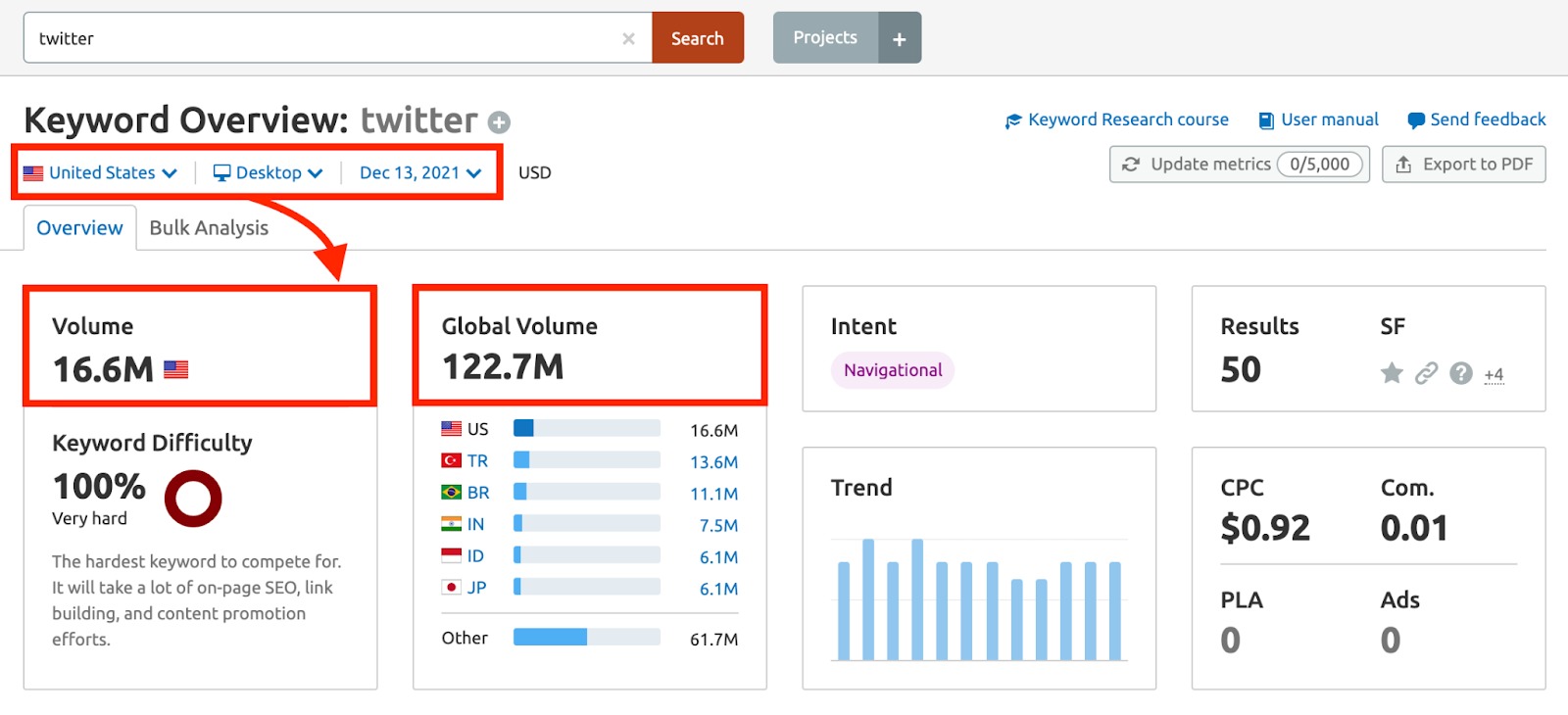
Semrush keyword research is valuable because it helps you judge opportunity from multiple angles, not just search volume. A practical keyword decision often depends on difficulty, intent, SERP features, and how competitive the results page really is.
- Keyword Overview: a fast read on volume, trend, difficulty, intent, and SERP context.
- Keyword Magic Tool: a large discovery engine for related terms, question keywords, and long-tail variations.
- Keyword Strategy Builder / clustering: useful when you want topic clusters instead of isolated keywords.
In practice, this allows you to build a content plan that targets both near-term wins (lower difficulty terms) and long-term growth (pillar topics with supporting subpages).
2) Site Audit for Technical SEO and “Hidden” Ranking Leaks
Technical SEO problems rarely announce themselves. A site can look fine to users while search engines struggle with crawl inefficiencies, duplication, thin metadata, or internal linking issues. The Site Audit module helps surface those problems systematically.
Typical issue categories include:
- Crawlability: broken pages, blocked resources, and indexing obstacles.
- HTTPS and security signals: misconfigurations that harm trust and user experience.
- Performance checks: pages that may be slow or unstable and reduce engagement.
- Internal linking: orphan pages, deep pages, and inefficient architecture.
- Duplicate content and metadata: pages competing with themselves.
For teams that need a repeatable routine, running a Site Audit monthly is an easy way to prevent “authority leaks” where your content earns visibility but the website structure prevents rankings from compounding.
3) Competitor Analysis That Shows Strategy, Not Just Numbers
Competitor research is not about copying. It is about understanding what works in your market so you can decide where to differentiate. Semrush makes this easier by showing competitors’ organic keywords, estimated traffic patterns, and content footprints.
Modules that typically matter most:
- Domain Overview: a quick snapshot of authority signals, organic visibility, paid activity, and keyword footprint.
- Organic Research: keyword positions, movement over time, and pages that drive traffic.
- Traffic Analytics: directional insights into visits, engagement signals, and device distribution.
When you view competitor data as a map, you can identify which topics are crowded, which content formats win, and where there are gaps your brand can own.
4) Backlink Analytics and Link-Building Workflows
Backlinks remain a major trust signal in organic ranking. However, “more backlinks” is not a strategy. What matters is link quality, relevance, and consistency over time. Semrush offers a structured way to review link profiles and identify realistic opportunities.
- Backlink Analytics: visibility into referring domains, new/lost links, anchors, and authority signals.
- Backlink Audit: a workflow for identifying suspicious or low-quality links and organizing reviews.
- Backlink Gap: a fast way to find sites linking to competitors but not to you.
- Link Building Tool: prospect lists and outreach management to keep link efforts organized.
Used properly, this turns link building into a pipeline rather than a chaotic outreach sprint.
5) Position Tracking for Keyword and Market Visibility Over Time
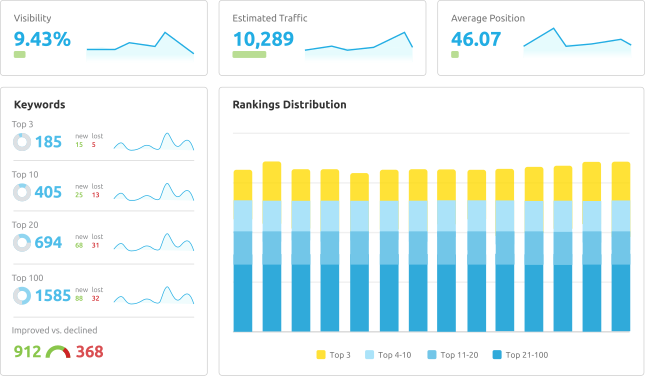
SEO is a long game, which means you need tracking that reveals trends rather than daily noise. Position Tracking helps you monitor keyword rankings over time, compare performance against competitors, and segment results by location or device.
This is especially useful when you are:
- launching a new content cluster and want to measure adoption
- updating a high-impact page and tracking recovery or growth
- targeting multiple regions where rankings differ by geography
When combined with auditing and competitor research, ranking reports become actionable rather than merely observational.
A Simple Semrush Workflow for SEO Teams
Tools only create value when they drive action. A practical Semrush workflow for most SEO teams looks like this:
- Find demand: use Keyword Magic Tool and Keyword Overview to map opportunity and intent.
- Pick the battles: evaluate difficulty, SERP features, and competitor strength before committing.
- Audit foundations: run Site Audit to remove technical friction that limits rankings.
- Build clusters: organize content around topic groups rather than one-off articles.
- Track momentum: monitor rankings with Position Tracking and iterate based on trends.
- Strengthen authority: use Backlink Gap and link workflows to earn relevant mentions.
If you need one platform that can support this whole loop—research, execution, and measurement—start with Semrush.
Semrush vs Ahrefs: Which One Should You Choose?
Semrush and Ahrefs are both strong. The better choice depends on what you need most. If you want broad coverage across SEO, PPC research, content planning, and competitive reporting, Semrush is often the more all-in-one option. If your workflow is heavily backlink-centric and you prioritize deep link analysis as the core activity, Ahrefs is frequently preferred.
| Criteria | Semrush | Ahrefs |
|---|---|---|
| Keyword research scope | Broad toolset with multiple keyword modules and planning workflows | Strong keyword difficulty and SERP analysis, often praised for clarity |
| Competitor intelligence | Very strong competitor reporting across organic and paid contexts | Strong SEO competitor views, typically less PPC-oriented |
| Technical audit | Robust Site Audit module and issue categorization for teams | Solid auditing, generally simpler presentation and prioritization |
| Backlink workflows | Backlink analytics + audit + gap + outreach pipeline in one platform | Often seen as a backlink powerhouse with deep link exploration |
| Best for | Teams wanting an end-to-end SEO + marketing toolkit | Teams prioritizing backlinks and link research depth |
If you want a single toolkit that covers keyword discovery, audits, competitive research, and ongoing tracking inside one ecosystem, Semrush is a strong starting point.
Final Thoughts
Semrush is not just “a keyword tool.” It is a planning and execution environment for SEO. The real advantage comes from how the modules connect: you can research opportunities, validate with competitor data, fix technical blockers, and track progress—without switching platforms every hour.
Whether you’re a solo SEO, an in-house marketer, or an agency managing multiple sites, the key is to use Semrush as a system rather than a dashboard. If you do that consistently, you get more than reports—you get faster decisions and cleaner execution.
Ready to explore it? Start here: Semrush.
FAQ
Is Semrush only for SEO?
Semrush is best known for SEO, but it also supports PPC research, content marketing workflows, competitor intelligence, and broader digital marketing reporting, depending on how you use the platform.
What should beginners focus on first in Semrush?
Beginners usually get the most value by starting with Keyword Overview, Keyword Magic Tool, and a Site Audit. These three quickly reveal what to target, what to fix, and where the easiest wins may be.
Can Semrush help with competitor research?
Yes. Competitor modules help you identify which keywords competitors rank for, which pages drive traffic, how visibility changes over time, and where you may have keyword or backlink gaps.
Does Semrush replace Google Analytics and Search Console?
No. Analytics tools show what happens on your site, while Semrush focuses on market-level intelligence, competitive visibility, and SEO diagnostics. Many teams use them together for a more complete picture.


