


Upstox Beginner Guide: Start Trading in India Safely

Starting in the stock market can feel intimidating because you’re not just learning an app—you’re learning a new way of making decisions under uncertainty. Charts move fast, opinions move faster, and the fear of “buying the top” can stop you from taking action at all.
The good news: beginners don’t need complex strategies. You need a simple process you can repeat—one that helps you avoid common traps, build confidence, and stay consistent. In this guide, you’ll learn a practical beginner workflow and a realistic first-month plan using Upstox.
What Beginners Actually Need (Not Hype)
Most first-time traders fail for predictable reasons:
- No plan: buying because something is “trending.”
- No risk rule: holding losers too long and selling winners too early.
- Too many products: jumping between stocks, intraday, options, and tips without mastering the basics.
- Emotional trading: reacting to price movement instead of following a checklist.
The goal for your first month is not to “get rich.” It’s to build a stable system:
- A repeatable research routine
- Clear rules for entering and exiting trades
- A portfolio structure you can understand
- Good habits around position sizing and patience
Think of your first month like learning to drive. You don’t start on a racetrack—you start with smooth steering, safe speed, and good awareness.
Set Up Your Account with a Long-Term Mindset
Before you place a single order, set up your workflow like a business—even if you’re starting small.
Choose your “mode” first
There are two beginner-friendly paths:
- Investor mode: you buy quality businesses and hold them for months/years.
- Trader mode: you take shorter-term positions with clear exits (days/weeks).
If you’re not sure, begin as an investor. You can always learn trading later. Starting with long-term thinking reduces stress and helps you build discipline.
Keep your watchlist small
Beginners often track 100 stocks and understand none. A better approach is:
- Start with 10–15 names you can explain in one sentence
- Add only when you remove another
- Prefer businesses you see in real life (products, services, habits)
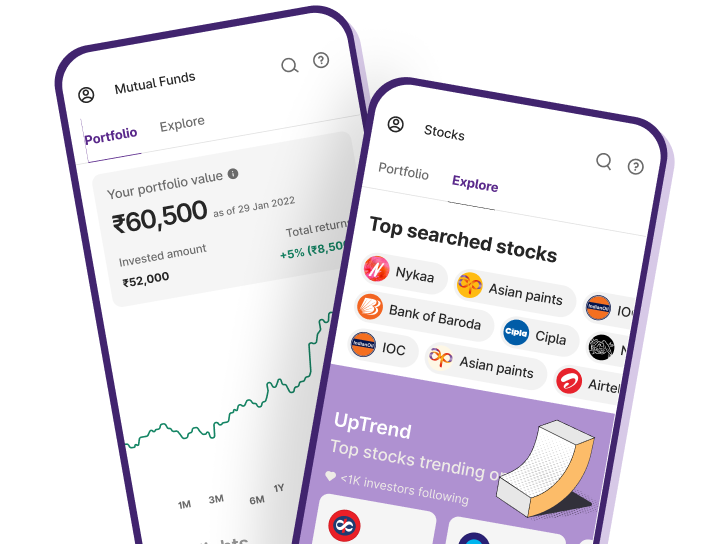
This is where Upstox becomes useful: you can keep your market view organized, focused, and consistent instead of scattered across tabs and screenshots.
How to Build a Beginner Watchlist That Makes Sense
A strong watchlist is not “popular stocks.” It’s a list built around categories, so you understand what you’re buying and why.
Use a simple structure
- Core leaders: well-known, resilient businesses you’d hold long term
- Growth candidates: companies expanding fast (with higher volatility)
- Defensive names: businesses that often hold up better in slowdowns
- Theme plays: sectors you personally believe will grow (use carefully)
This structure helps you avoid a common mistake: buying five stocks from the same theme and calling it “diversification.”
Ask one question per stock
To keep it beginner-friendly, don’t overanalyze. For each stock, write one line:
- “I’m watching this because ______.”
If you can’t fill in the blank, it’s not a watchlist item—it’s noise.
Orders Explained in Plain English
Order types feel technical at first, but you only need a few concepts to avoid costly mistakes.
Market vs. limit
- Market order: you buy/sell instantly at the best available price. Fast, but price can vary.
- Limit order: you set the price you’re willing to pay. More control, but may not execute.
Beginner rule of thumb: use limit orders when you can. It forces patience and prevents accidental overpaying during volatile moves.
Stop-loss (your stress-reduction tool)
A stop-loss is a pre-decided exit if a trade moves against you. It’s not pessimism—it’s professionalism. The purpose is to cap downside so one mistake doesn’t damage your confidence and your capital.
Beginner mindset shift: You’re not trying to avoid losses entirely. You’re trying to keep losses small and let winners grow.
A Simple Risk Rule Most Beginners Ignore
Here’s a practical rule that prevents many early blow-ups:
Never risk big money on your first idea. Risk is not “how much you buy.” Risk is what you lose if you’re wrong.
Beginner-friendly approach:
- Start with smaller position sizes
- Use a clear stop-loss level
- Limit the number of open positions
- Avoid revenge trades after a loss
Even if you’re investing long term, you still need risk discipline—especially in uncertain markets.
A First-Month Plan You Can Actually Follow
Most beginner plans fail because they’re too ambitious. Here’s a realistic plan that focuses on habits and learning.
Week one: learn the app + build your watchlist
- Create your watchlist categories
- Observe how prices move across sectors
- Read a company’s basic overview and recent news (without overreacting)
Week two: place small “practice” positions
- Start with one or two positions, not ten
- Write down your reason before you buy
- Decide your exit plan (profit and loss scenarios)
Week three: track your process, not just results
- Did you follow your rule, or break it?
- Did you buy on impulse, or on a plan?
- Did you change your exit mid-trade without a reason?
Week four: refine and simplify
- Remove weak watchlist items
- Repeat what worked
- Stop doing what created stress
The best outcome of month one is not a “perfect profit.” It’s the ability to repeat your process calmly.
Common Beginner Mistakes
Chasing what already moved
If you’re buying only because something is up today, you’re late to the story. Fix this by deciding your entries in advance and using limit orders.
Overtrading
More trades do not mean more skill. Many beginners trade to feel productive. Instead, set a maximum number of decisions per week.
Ignoring fees and friction
Even small costs add up if you trade too frequently without edge. A simple fix is choosing quality setups and fewer, better decisions.
Mixing strategies
Don’t combine long-term investing with short-term panic. Label each position as “invest” or “trade” and manage it accordingly.
Final Thoughts
Stock market success is rarely about one genius pick. It’s about building a decision system that survives uncertainty. If you keep your watchlist focused, use clear risk rules, and follow a simple monthly routine, you’ll be ahead of most beginners who rely on tips and impulse.
Start using Upstox to organize your watchlist, place disciplined orders, and build a steady investing habit that compounds over time.


