


How Alibaba Helps B2B Sellers Win in a Digital Market

B2B selling used to depend on flights, trade booths, and a calendar full of meetings. Today, buyers expect speed, clarity, and online access before they ever talk to a sales team.
That shift is why marketplaces have become central to modern sourcing, and Alibaba sits at the core of that new workflow for manufacturers, wholesalers, and distributors who want consistent global demand.
B2B Has Moved Online for Good
Trade shows still matter, but they no longer define the market. Buyers now discover suppliers through digital profiles, product catalogs, and structured inquiries.
Instead of being limited by geography, suppliers can present their capabilities around the clock and respond to demand that comes in from multiple regions at once.
The New B2B Buyer Journey
Modern sourcing is research-heavy. Buyers compare options quietly, validate credibility signals, and shortlist suppliers before starting any negotiation.
Research-first decisions
Certifications, response speed, reviews, and product detail all influence whether a buyer reaches out. A strong online presence makes that evaluation easier.
Always-on expectations
B2B purchasing happens across time zones. Platforms that support continuous discovery and communication often outperform offline-only selling models.
Why Marketplaces Accelerate Global Trade
A marketplace reduces friction. It standardizes discovery, simplifies contact, and helps buyers move from browsing to inquiry without extra steps.
For suppliers, joining a marketplace can be faster than building a full international sales system from scratch.
What Makes Alibaba Stand Out for B2B
Scale matters in B2B because buyers want options and sellers want qualified demand. Alibaba brings both sides together in a demand-led environment.
Access to global buyers actively sourcing
Instead of “hoping” the right partner finds you, suppliers can show up where buyers already search and compare vendors.
Tools that support the selling workflow
Inquiry management, storefront building, and performance insights help suppliers organize leads and improve visibility without heavy technical setup.
Benefits B2B Sellers Notice Fast
- More inbound demand: visibility generates inquiries beyond local networks.
- Lower acquisition cost: less reliance on expensive travel and events.
- Faster qualification: catalogs and profiles reduce repetitive conversations.
- Stronger credibility: trust signals help first-time buyers feel safer.
Building a Digital Storefront That Converts
A B2B storefront works best when it answers buyer questions early. Clear product details, capability highlights, and proof of reliability reduce hesitation.
Low barrier to publishing
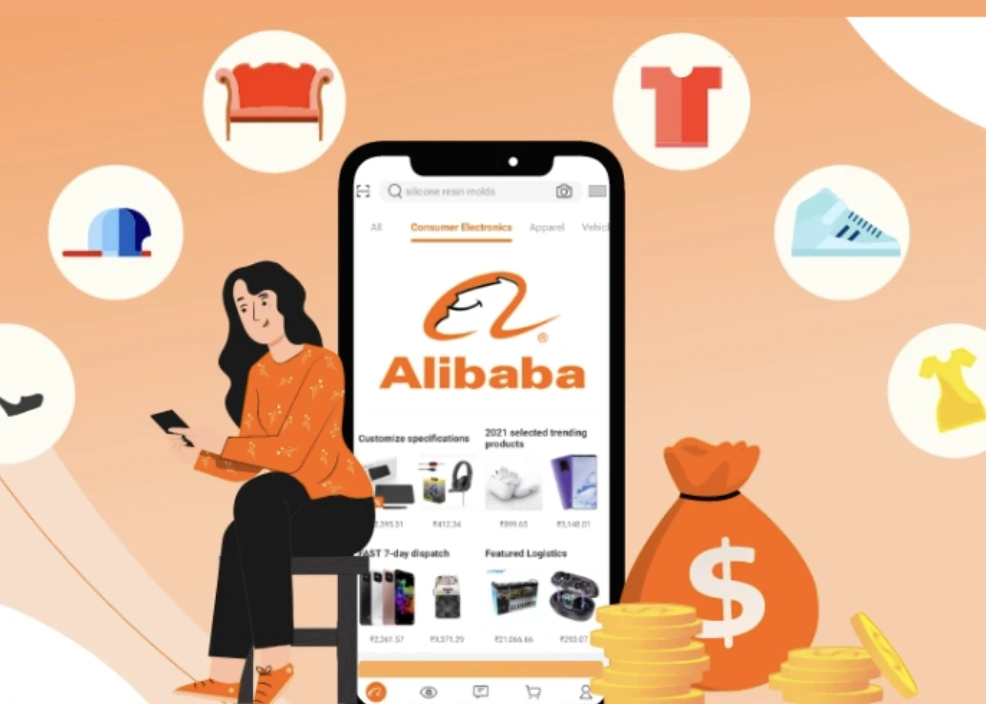
Suppliers can list products, describe production strengths, and present company information in a structured format without web development.
Trust cues that replace face-to-face meetings
Verification, transaction history, and buyer feedback act as digital credibility when partners cannot meet in person.
Why the ROI Often Beats Offline Selling
Trade shows can be valuable, but they are episodic and expensive. A digital presence can be continuous and measurable.
For many suppliers, the cost of maintaining visibility on Alibaba is easier to justify because the reach stays global every day, not just during an event week.
Scaling Abroad Without Opening Offices
Cross-border growth used to require local teams and heavy investment. Marketplaces lower that threshold by letting sellers test demand first.
Reach new markets with less risk
When buyer discovery is digital, suppliers can validate interest by region before building physical infrastructure.
Use data to guide expansion
Performance insights help sellers understand what buyers view, where they come from, and which categories show momentum.
Key Takeaways
B2B commerce is becoming digital, buyer-led, and more transparent. Suppliers that adapt early tend to gain reach, efficiency, and resilience.
By building an online presence through Alibaba, manufacturers and wholesalers can create a repeatable system for global demand instead of relying only on offline channels.
FAQ
Who should consider selling on Alibaba?
Manufacturers, wholesalers, and distributors that handle bulk or repeat purchasing cycles often benefit most from marketplace-driven demand.
Is Alibaba only useful for large companies?
No. Many smaller suppliers use it to grow gradually because the setup is structured and the audience is already global.
How does Alibaba help establish trust remotely?
Supplier verification, buyer feedback, and transaction signals help new partners evaluate credibility without meeting in person.
Do sellers control pricing and terms?
Yes. Sellers define pricing, minimum order quantities, and negotiation terms. The platform supports discovery and communication.
How quickly can results appear?
Timelines vary, but optimized profiles and fast response times often lead to earlier inquiries and stronger momentum over time.
